
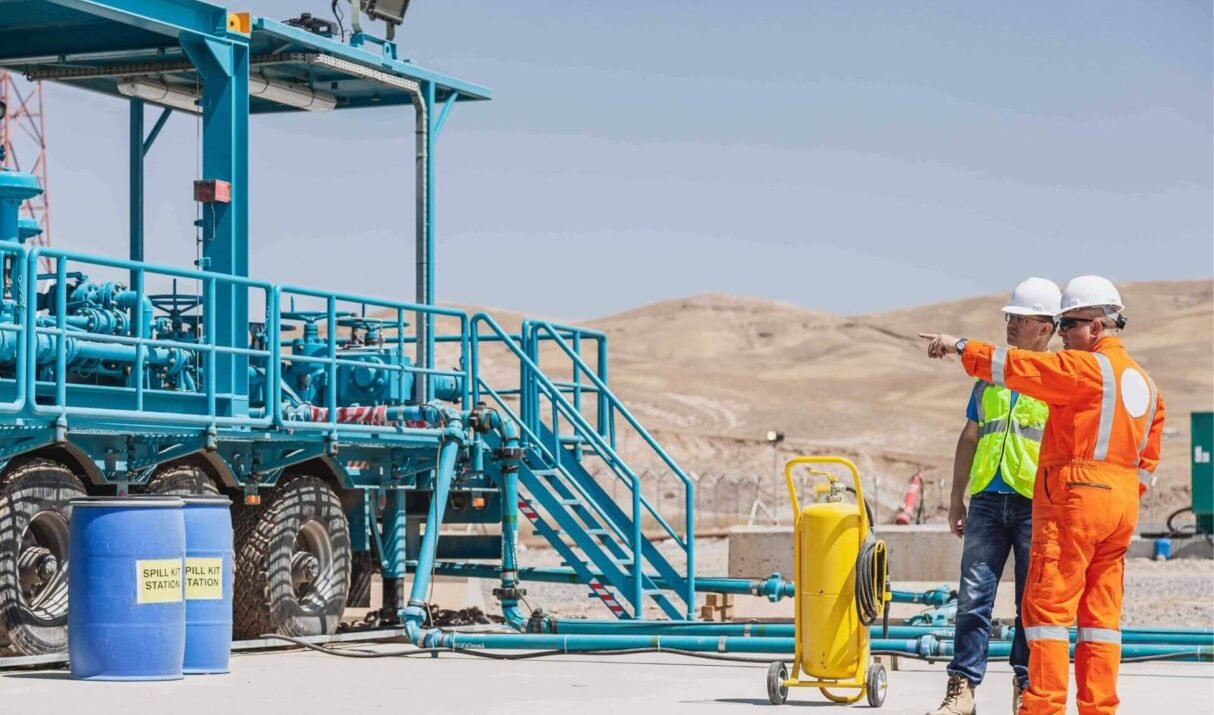

The oil and gas industry operates in one of the world’s most demanding and constantly evolving environments. From fluctuating market conditions and supply chain disruptions to operational risks and evolving regulations, organizations must be prepared to adapt quickly and effectively. In today’s energy landscape, resilience is no longer just an advantage—it’s a strategic necessity.
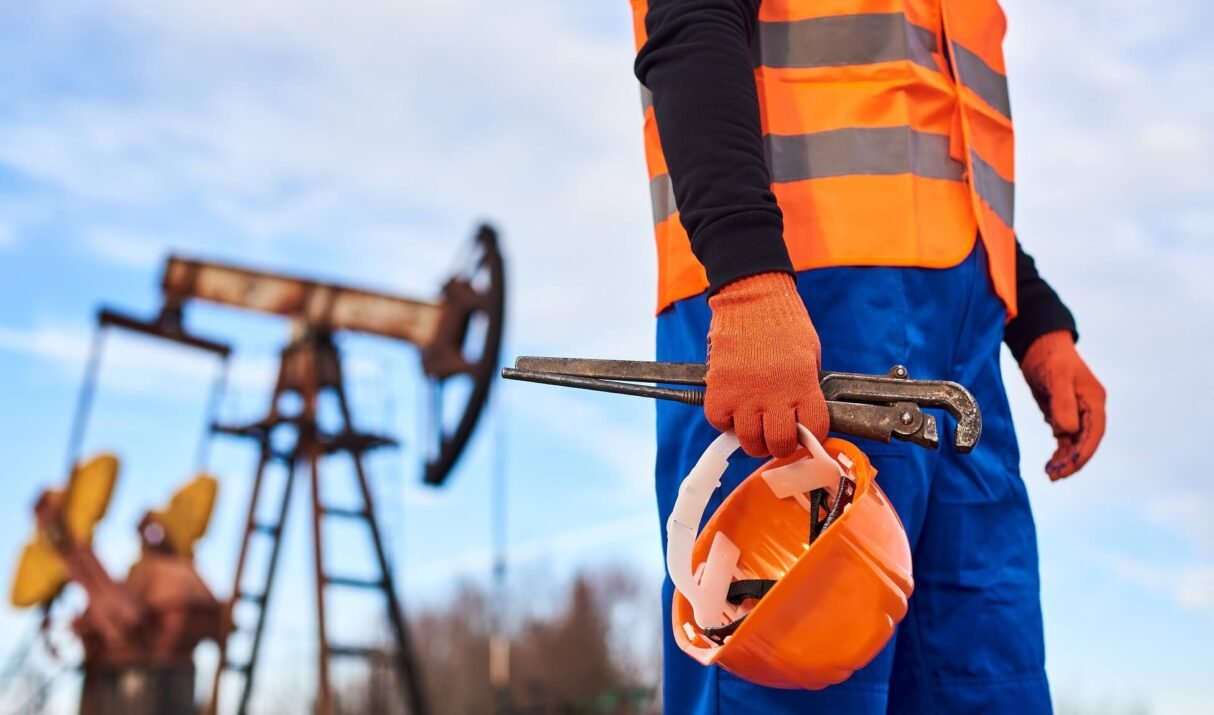
As global energy demand continues to grow, environmental responsibility has become a defining priority for the oil and gas industry. Companies are expected to deliver reliable energy while minimizing environmental impact, complying with increasingly stringent regulations, and supporting sustainable development.
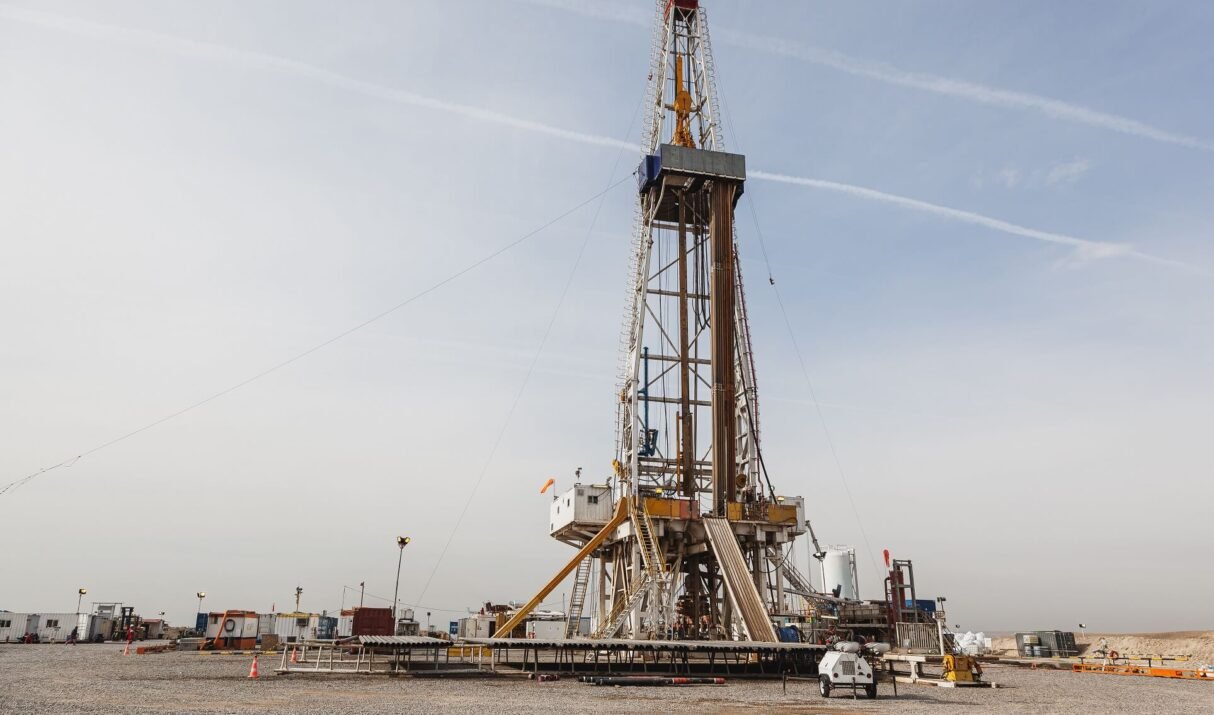
The global oil and gas industry is experiencing one of the most significant periods of transformation in its history. Market volatility, geopolitical developments, technological advancements, energy transition initiatives, and evolving customer expectations continue to reshape the industry’s future.
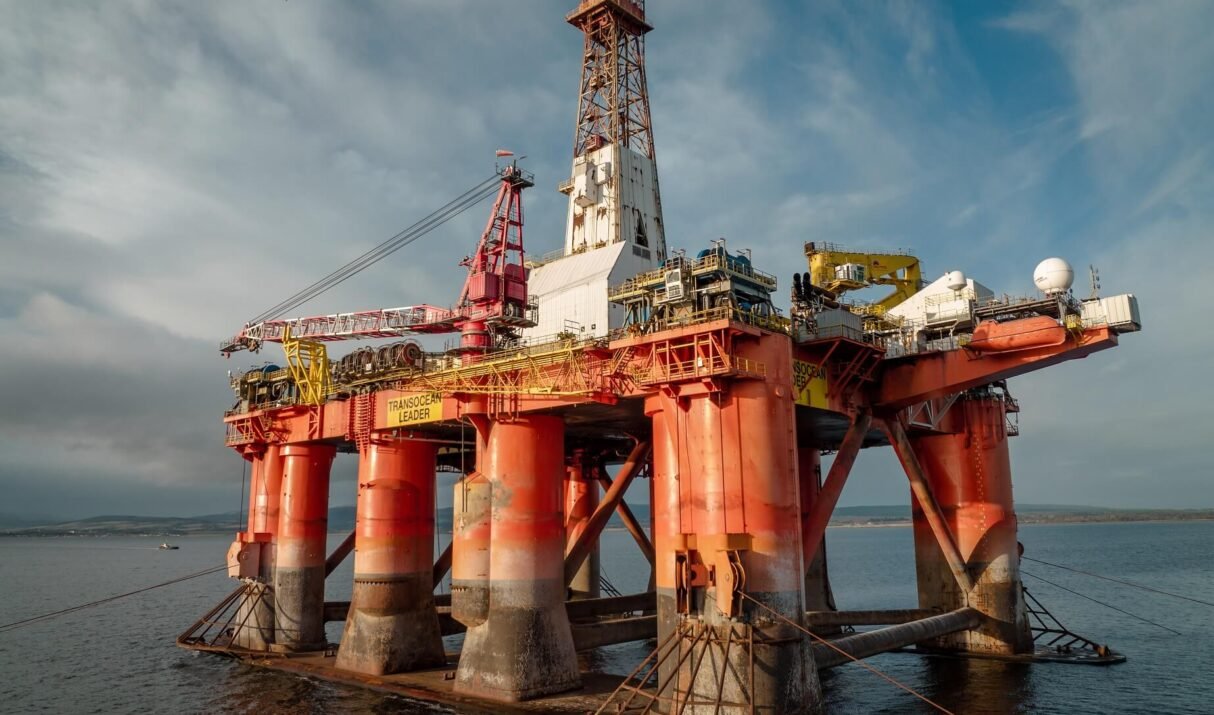
Energy markets are changing as governments, investors, and industries place greater emphasis on sustainability, efficiency, and environmental responsibility. Companies that embrace innovation today are better positioned to respond to future market demands while creating long-term value.
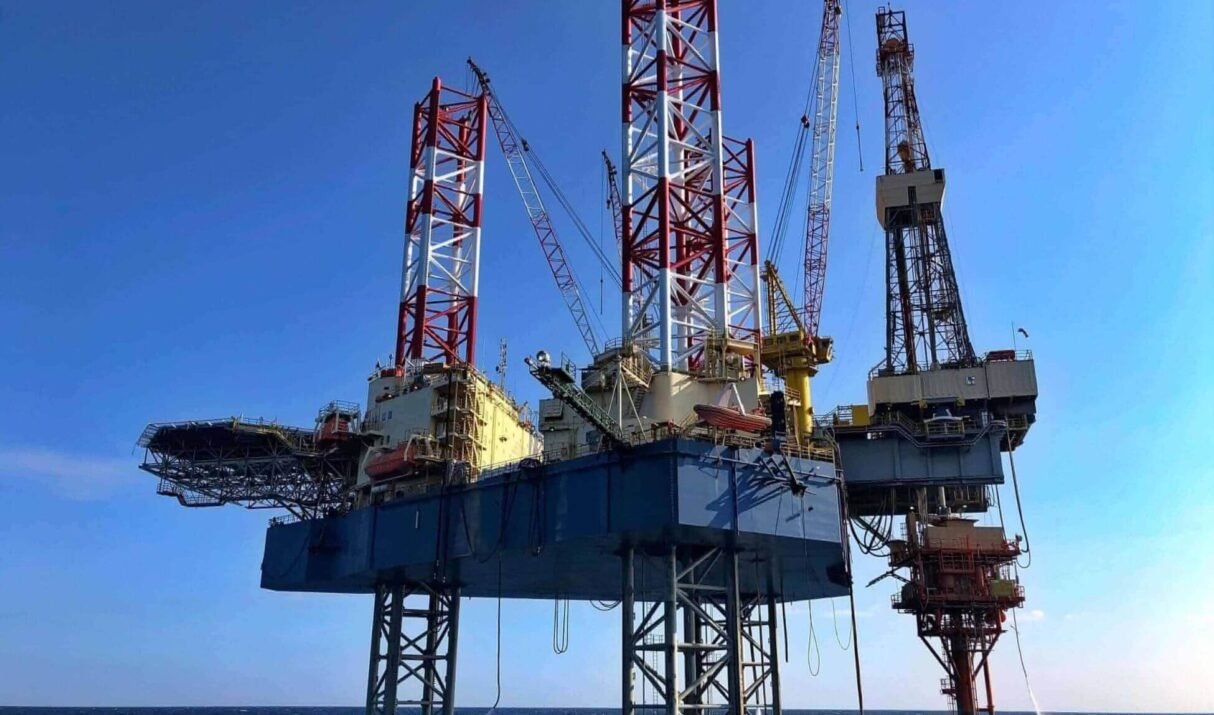
Refining operations play a critical role in the energy value chain, transforming crude oil into essential products that power industries, transportation, and everyday life. In today’s competitive energy landscape, refineries face increasing pressure to improve operational efficiency, reduce costs, enhance safety, and meet evolving environmental standards.
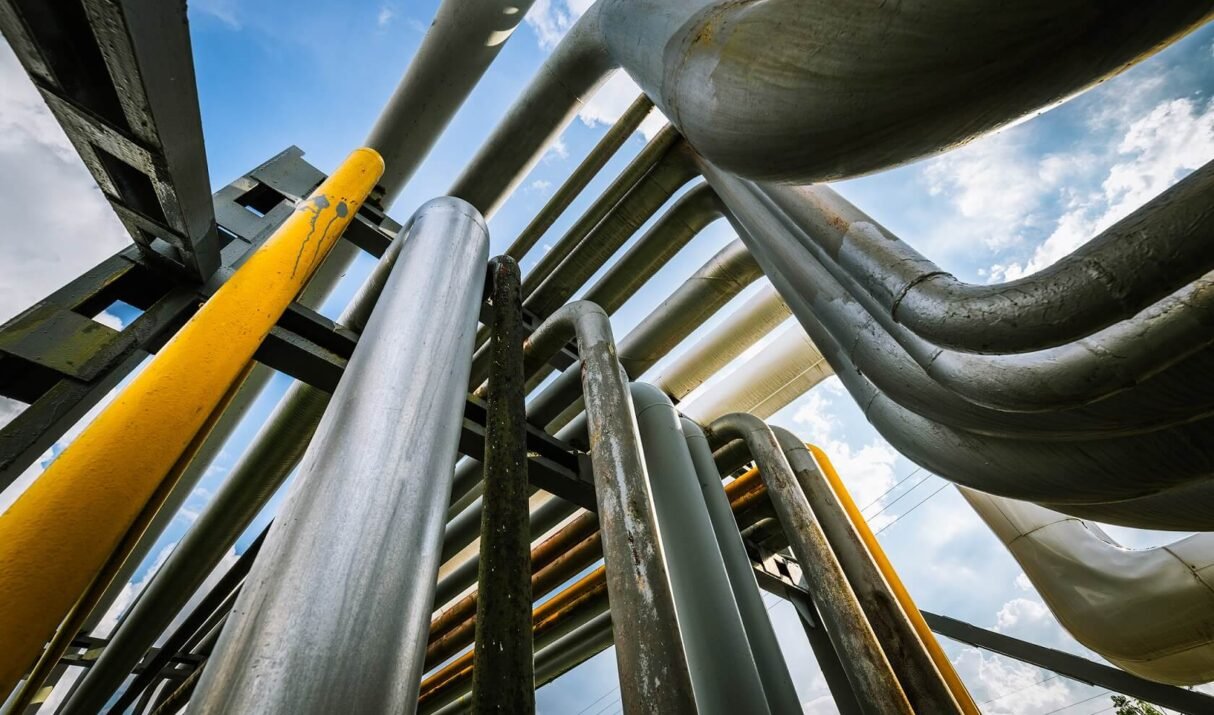
Recent tensions in the Middle East—including the military confrontation between the United States and Iran—have once again highlighted how geopolitical events can quickly impact global energy markets. Rising security concerns, changing trade routes, and uncertainty surrounding critical energy corridors have reinforced the importance of proactive risk management.
